
Care planned around your comfort
At Jane Clair Dental, treatment begins with an exam and X-rays to see how your wisdom teeth are positioned and whether they are affecting nearby teeth, gums, or bone. If you are searching for wisdom teeth removal near you, our North York dental clinic on Jane Street can assess whether monitoring or removal is the better next step.
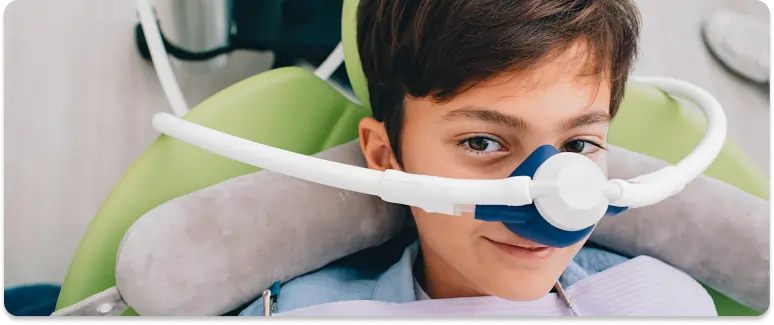
Some wisdom teeth grow in normally and may not need treatment. Others become impacted, come in sideways, stay partly under the gums, or create repeated pain and swelling. When removal is recommended, we explain the procedure, discuss comfort options, and provide clear aftercare guidance so you know what to expect.
What To Expect Wisdom Teeth Removal Appointment
Our team on Jane St in North York focuses on diagnosis, safe treatment, and recovery support.
- Exam, X-rays, and treatment planning
- Removal with aftercare instructions
Signs Your Wisdom Teeth May Need Attention
Not every patient needs wisdom teeth removal, but some symptoms are worth checking as early as possible.
- Pain at the back of the mouth
- Swollen or irritated gums
- Difficulty chewing comfortably
- Pressure on nearby teeth
- Repeated infection or inflammation
- Jaw soreness or limited opening
If your wisdom teeth are causing discomfort, trapping food, or affecting adjacent teeth, a consultation at Jane Clair Dental North York can help determine whether removal is the right option.
Recovery After Wisdom Teeth Removal
After wisdom teeth removal in North York, mild bleeding, swelling, stiffness, and soreness are common for the first few days. Most patients feel better gradually over the first week, especially when they follow aftercare instructions carefully.
Rest, use ice packs, eat soft foods, and avoid smoking, straws, and forceful rinsing early in the healing process. Keeping the area clean gently and following your dentist’s instructions can help support smoother healing and reduce the risk of dry socket or delayed recovery.
- Use ice packs early
- Stick to softer foods
- Avoid straws and smoking