
Advanced preparation for implant treatment
At Jane Clair Dental, we start with a dental exam and digital imaging. This helps us check your upper jaw, sinus area, and bone levels.
If you are looking for a sinus lift near you, our North York dental clinic on Jane Street can determine if you need extra bone support before getting dental implants.
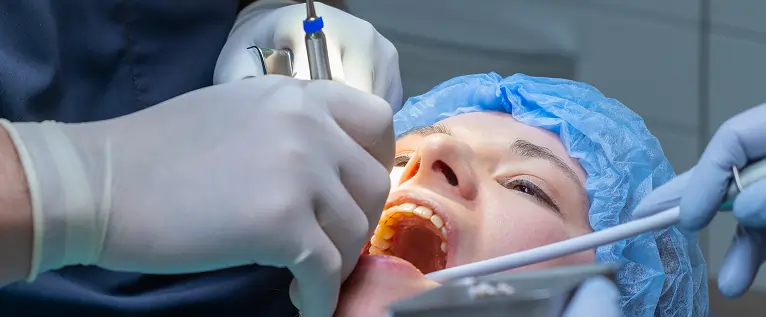
During the procedure, the area is numbed for comfort. We gently open the gum and create a small opening in the upper jaw. The sinus membrane is carefully lifted, and bone graft material is placed underneath. Depending on your needs, dental implants may be placed at the same visit or after the area has healed.
What your treatment may include
Our team on Jane Street in North York focuses on treatment that improves implant support while keeping healing and long-term success in mind.
- Imaging and bone evaluation
- Sinus augmentation with healing guidance
When a Sinus Lift May Be Recommended
A sinus lift may be recommended when:
- Bone height is too limited for upper dental implants
- Upper back teeth have been missing for a long time
- Bone loss has happened after extraction
- Gum disease has reduced upper jaw bone support
- The sinus sits too close to the upper jaw
- More support is needed for implant treatment in the molar area
These are common reasons upper-jaw implant patients are advised to consider sinus augmentation before moving ahead with the final restorative plan.
Types of Sinus Lift Procedures
Different sinus lift techniques may be used depending on how much natural bone is already present and how much elevation is needed.
- Lateral window sinus lift: A more traditional approach often used when more grafting is required.
- Osteotome sinus lift: A less invasive approach sometimes used when a smaller lift is needed and enough natural bone is already present.
In some cases, the implant may be placed during the same appointment. In other cases, the graft is allowed to heal first before implant placement is done later.
Recovery After a Sinus Lift
After a sinus lift in North York, mild swelling, tenderness, and light bleeding from the mouth or nose can happen during early healing. Many patients return to normal daily activity in a day or two, but strenuous activity is usually limited for longer. Patients are typically told not to blow their nose, sneeze forcefully, or do anything that could disturb the graft during early healing.
- Avoid blowing your nose
- Expect mild swelling at first
- Follow all post-op instructions closely