
Personalized care for jaw discomfort
At Jane Clair Dental, TMJ treatment near you begins with a careful exam of your jaw joints, bite, teeth, and surrounding muscles. We look at how your jaw opens and closes, whether there is tenderness or joint noise, and whether grinding or clenching may be contributing to the problem.
Because jaw symptoms can come from different causes, treatment depends on what we find during your assessment. In many cases, care may include a custom night guard, bite evaluation, stress-related habit guidance, and recommendations to help reduce strain on the jaw muscles and joints.
What your TMJ visit may include
Our North York dental clinic on Jane St focuses on identifying the source of discomfort and guiding you toward the right next step.
- Jaw, bite, and muscle assessment
- Treatment planning and symptom guidance
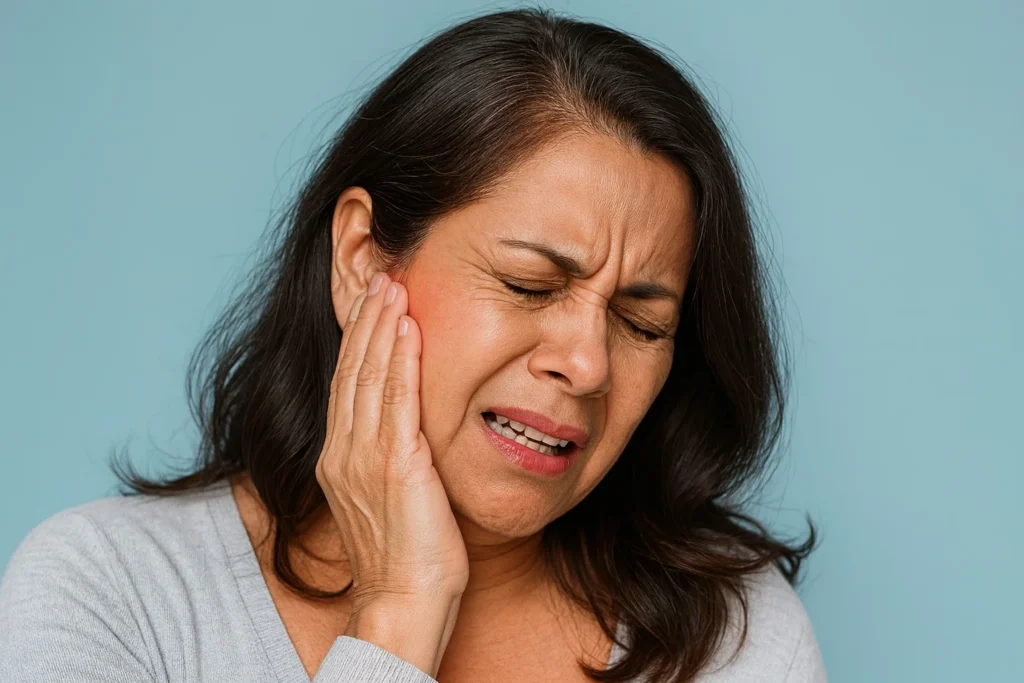
Common Signs of TMJ Disorder
Some patients have mild symptoms, while others notice pain or tension more often.
- Jaw pain or soreness
- Clicking or popping in the jaw
- Difficulty opening fully
- Clenching or grinding
- Headaches or facial tension
- Ear-area discomfort
- Pain while chewing
If these symptoms keep returning, an exam at Jane Clair Dental in North York can help determine whether TMD therapy may be appropriate.
Treatment Options for TMJ and TMD
Treatment for TMJ disorder depends on the cause and severity of your symptoms. Some patients improve with simple conservative care, while others need a more structured treatment plan.
- Custom night guards to reduce grinding and clenching pressure
- Bite assessment to identify uneven pressure or strain
- Home-care guidance such as soft foods, jaw rest, and heat or ice advice
- Habit awareness for clenching, nail biting, or chewing on hard objects
- Monitoring and follow-up to track whether symptoms improve
- Referral when needed if symptoms are more complex or require additional care
Protecting Your Jaw Between Visits
Daily habits can make a big difference when you are managing TMJ treatment or TMD therapy.
- Avoid chewing ice or very hard foods
- Try not to clench during the day
- Limit gum chewing
- Rest the jaw during flare-ups
- Keep up with regular dental visits
These small changes can help reduce stress on the joints and muscles while your treatment plan is being followed.