

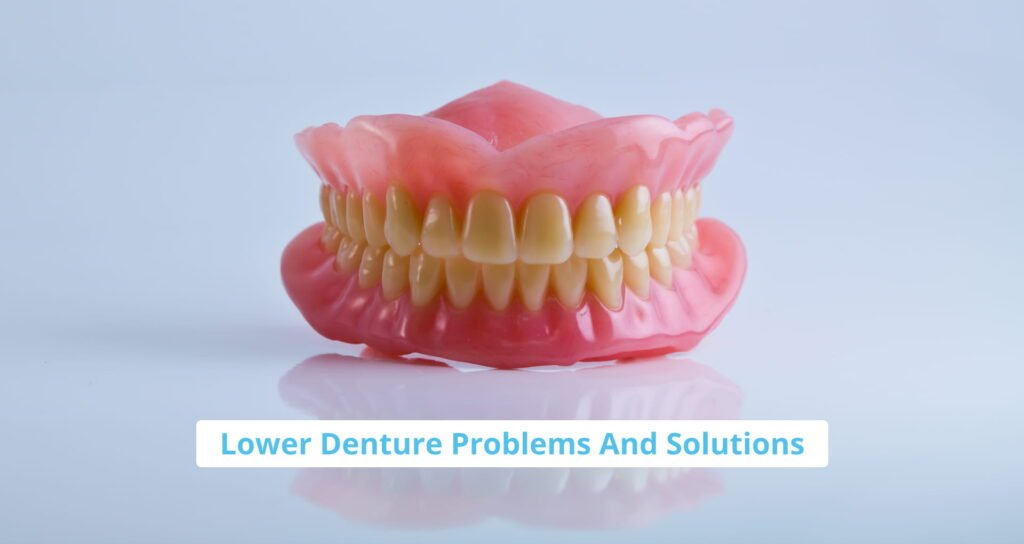
Losing teeth can affect how you eat, speak, and feel about your smile. Lower dentures often present stability challenges, but with proper care and professional guidance, most issues can be effectively managed.
Why Lower Dentures Are More Difficult to Manage
Lower dentures are more challenging to manage than upper dentures. Unlike upper dentures, which benefit from suction for stability, lower dentures rest on a smaller surface area and must adjust to the movement of the tongue, cheeks, and jaw.
This can make dentures more likely to shift, rub, and feel uncomfortable. An experienced dentist North York can carefully design and adjust them for a better, more secure fit.
Common Lower Denture Problems
Common lower dentures problems include looseness, gum irritation, and difficulty speaking or chewing. These issues can often be managed with proper adjustments and regular dental care for improved comfort and stability.

Loose or Ill-Fitting Dentures
One of the most common issues is loose lower dentures that slip while eating or speaking. This often occurs due to natural bone resorption, which changes the shape of the jaw over time. Regular adjustments or relining can help restore fit and comfort.
Gum Irritation and Sores
Poorly fitting dentures can create pressure points, leading to gum irritation, soreness, or inflammation. If untreated, this can affect daily comfort and may lead to infection.
Speech and Eating Difficulties
Many patients experience difficulty chewing or speaking clearly when first using lower dentures. While some adjustment is normal, ongoing issues may indicate that the denture needs refitting.
Bone Loss and Facial Changes
Ill-fitting dentures can contribute to jawbone loss over time, which may affect facial structure and denture stability. Regular dental visits help monitor and manage these changes early.
Dry Mouth or Excess Saliva
Some patients may experience changes in saliva flow, which can affect denture comfort and stability. Proper evaluation helps identify the right solution for improved comfort.
Proven Solutions for Lower Denture Problems
Proven solutions for lower denture problems include relining, rebasing, and implant-supported options. Routine dental visits help maintain proper fit and enhance comfort and stability over time.
Denture Relining or Rebasing
As your mouth changes over time, relining or rebasing dentures helps improve fit, stability, and comfort.
Denture Adhesives
Adhesives can provide temporary stability, but frequent reliance on them may indicate the need for professional adjustment.
Implant-Supported Dentures
Dental implants offer a long-term solution by anchoring lower dentures securely to the jaw, improving stability and function.
Regular Dental Checkups
Routine dental visits are essential to monitor changes in your gums and jaw and ensure your dentures continue to fit properly.
FAQ
How long does it take to get used to lower dentures?
It typically takes a few weeks to adjust, but persistent discomfort or instability should be addressed by your dentist.
Are lower dentures supposed to be loose?
Not at all. While they may shift slightly more than uppers, a properly fitted lower denture should feel snug and secure.
Can implants be used to secure lower dentures?
Yes. Implant-supported dentures are a highly recommended option for better stability and comfort.
Why do my lower dentures hurt my gums?
This could be due to pressure points, an improper fit, or even infection. A dentist can adjust the denture or treat any underlying issues.
How often should dentures be replaced or relined?
Most dentures last 5–7 years, but they may need relining every 1–2 years due to gum and bone changes.
Conclusion
Lower dentures may come with more complications than upper ones, but with the right care and adjustments, they can be both functional and comfortable.
From bone loss to poor fit, these problems are manageable with the help of a skilled dental team.
If you’re in North York and facing difficulties with your lower dentures, Jane Clair Dental Clinic is ready to offer compassionate, expert care tailored to your needs.
Don’t let denture discomfort affect your daily life. Take the first step toward lasting comfort and function by consulting a professional today.