

Natural remedies for oral care are becoming popular, and coconut oil for teeth whitening is widely discussed. This guide explains how oil pulling works, what science says, and what dentists recommend for safe whitening.
What Is Coconut Oil Pulling?
Coconut oil pulling is a traditional oral hygiene practice rooted in Ayurvedic medicine. It involves swishing a tablespoon of coconut oil in the mouth for 10–20 minutes, then spitting it out. Supporters believe it helps reduce bacteria and plaque, promoting cleaner teeth and better oral health.
Because coconut oil contains lauric acid, a compound known for its antimicrobial properties, it may help reduce harmful bacteria that contribute to plaque and gum problems. While oil pulling can support general oral hygiene, its ability to whiten teeth significantly is still debated among dental professionals.
Can Coconut Oil Actually Whiten Teeth?
Many people hope that coconut oil can naturally whiten teeth, but the reality is more nuanced. Coconut oil may help remove minor surface stains caused by food, beverages, or plaque buildup.
When teeth appear cleaner, they may also look slightly brighter. However, coconut oil does not contain bleaching agents like hydrogen peroxide that are required to break down deeper stains in tooth enamel.
This means that coconut oil may improve the appearance of teeth slightly, but it does not produce the same results as professional whitening treatments.
Common causes of tooth discoloration include:
- Coffee, tea, and red wine
- Aging and enamel thinning
- Poor oral hygiene
- Certain medications
These types of stains often require professional whitening methods to achieve noticeable results.
What Science Says About Oil Pulling
Research on oil pulling mainly focuses on oral health benefits rather than whitening effects. Studies suggest coconut oil pulling may reduce Streptococcus mutans, a bacteria linked to plaque and tooth decay, improving gum health and breath freshness.
However, evidence for whitening is limited, and it should not replace professional dental care or whitening treatments.
Potential Oral Health Benefits of Coconut Oil
Although coconut oil may not dramatically whiten teeth, it can offer several supportive benefits for oral health.
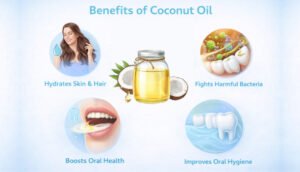
Reducing Harmful Bacteria
Coconut oil contains antimicrobial properties that may help reduce harmful bacteria linked to plaque and gum disease. Regular oil pulling can support better oral hygiene.
Supporting Gum Health
Oil pulling with coconut oil may help reduce gum inflammation and support healthier gums when used as part of a regular oral care routine.
Improving Breath Freshness
By lowering bacteria in the mouth, coconut oil may help control bad breath (halitosis) and promote fresher breath.
Complementing Oral Hygiene
When combined with brushing and flossing, oil pulling can be an additional step that supports a cleaner oral environment.
Despite these benefits, it is important to remember that coconut oil pulling should never replace brushing with fluoride toothpaste or regular dental checkups.
How to Practice Coconut Oil Pulling Safely
If you want to try coconut oil pulling as part of your oral hygiene routine, it is important to follow the correct method.
- Take one tablespoon of coconut oil.
- Swish the oil gently in your mouth for 10 to 20 minutes.
- Avoid swallowing the oil because it may contain bacteria from your mouth.
- Spit the oil into a trash bin rather than the sink to prevent clogging pipes.
- Rinse your mouth with water and brush your teeth as usual.
Practicing oil pulling a few times per week may help support oral hygiene, but results vary from person to person.
Limitations of Coconut Oil for Teeth Whitening
Despite its popularity, coconut oil has several limitations when used for whitening teeth.
No Bleaching Agents
Coconut oil does not contain bleaching ingredients that can penetrate enamel and remove deep stains. Because of this, it cannot whiten teeth the way professional whitening treatments do.
Mild Cosmetic Effects
Any whitening effect from coconut oil is usually minimal and temporary. It may help remove surface debris but does not significantly change tooth color.
Time Commitment
Oil pulling requires swishing coconut oil for about 15–20 minutes daily. Many people find this routine time-consuming and difficult to maintain consistently.
Not a Substitute for Dental Care
Oil pulling should always be combined with brushing, flossing, and professional cleanings.
Because of these limitations, dentists recommend coconut oil primarily as a supplementary oral health practice rather than a whitening solution.
Dentist Recommended Teeth Whitening Options
If you want a noticeably brighter smile, dental office offer several safe and effective whitening options.
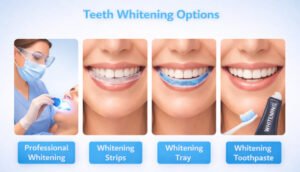
Professional In-Office Whitening
This treatment uses powerful whitening agents under dental supervision to remove deep stains and brighten teeth quickly, often in a single visit.
Custom Take Home Whitening Trays
Dentists provide custom trays with professional whitening gel that allow patients to whiten their teeth gradually and safely at home.
Whitening Toothpaste
Specially formulated whitening toothpaste helps remove surface stains from food, drinks, and daily habits to keep teeth looking brighter.
Routine Dental Cleanings
Professional cleanings remove plaque and tartar, which can significantly improve the appearance of teeth.
These methods are clinically tested and far more effective than natural remedies alone.
Regular teeth cleaning in North York can help remove plaque, protect your gums, and keep your smile healthier between dental visits.
Habits That Help Keep Teeth White
Preventing stains is one of the best ways to maintain a bright smile.
Helpful habits include:
- Brushing twice daily with fluoride toothpaste
- Flossing regularly
- Drinking water after consuming staining beverages
- Limiting coffee, tea, and red wine
- Avoiding tobacco products
- Visiting your dentist for routine cleanings
These simple habits can protect tooth enamel and help maintain long-lasting whitening results.
FAQs
Can coconut oil replace toothpaste?
No, coconut oil should not replace toothpaste. Toothpaste contains fluoride, which helps strengthen enamel and protect teeth from cavities. Coconut oil can be used as an additional oral hygiene practice but not as a substitute for brushing.
How long does coconut oil take to whiten teeth?
Coconut oil may help remove minor surface stains over time, but results are usually subtle. Some people notice slight changes after one to two weeks of regular oil pulling, though the whitening effect is typically limited.
Is coconut oil pulling safe for children?
Oil pulling is generally not recommended for young children, as they may accidentally swallow the oil during the process. The oil can contain bacteria and debris removed from the mouth.
Can coconut oil help with gum problems?
Coconut oil contains antimicrobial properties that may help reduce bacteria and mild gum inflammation. However, it is not a treatment for gum disease. Persistent gum issues should always be evaluated by a dental professional.
What is the most effective way to whiten teeth?
The most reliable way to whiten teeth is through professional whitening treatments performed by a dental clinic. These treatments use clinically approved whitening agents that safely remove deep stains and deliver noticeable results.
Conclusion
Coconut oil pulling has gained attention as a natural oral health practice, and it may offer some benefits such as reducing bacteria and improving breath freshness. However, there is little scientific evidence to support coconut oil as an effective teeth whitening treatment.
While it may help remove minor surface stains, it cannot produce the dramatic whitening results that professional dental treatments provide.
For anyone seeking a brighter smile, the best approach is to combine good oral hygiene habits with dentist-approved whitening options. Consulting a dental professional can help you choose the safest and most effective solution for achieving healthy, confident smiles.