
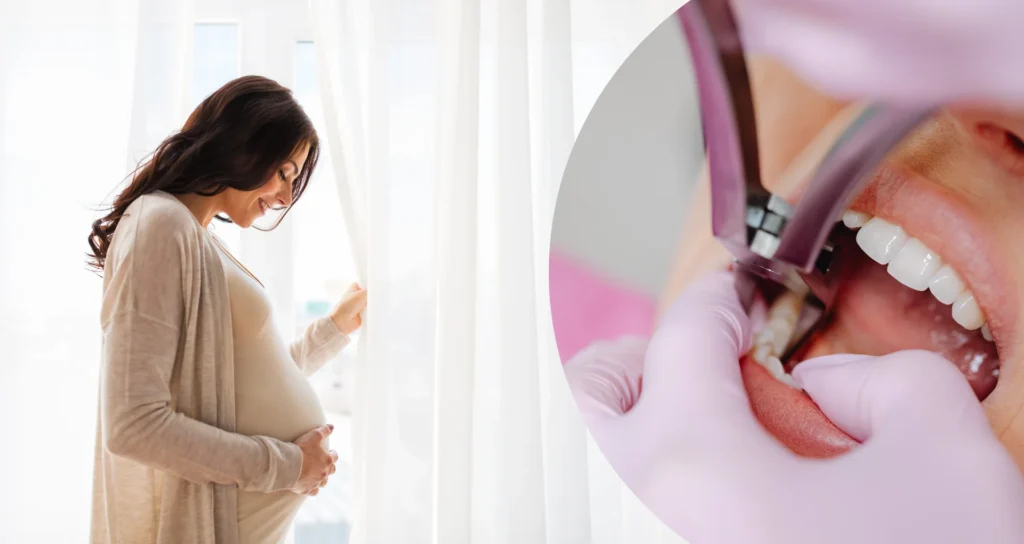
Pregnancy can affect oral health, causing swollen gums, sensitivity, bleeding, or sudden tooth pain. If a tooth is infected, broken, or painful, tooth extraction during pregnancy may be a safe option when properly diagnosed and carefully planned.
Is Tooth Extraction Safe During Pregnancy?
Yes, tooth extraction during pregnancy can be safe under the right circumstances. The dentist will not pull out your tooth unless there is no other choice. This means that if your tooth is infected, the dentist will try to save it before considering removing it.
A simple dental extraction is usually done with local anesthesia to numb the area around the tooth. At dental office in North York, your dentist will choose the safest approach based on your pregnancy stage, symptoms, and medical history. If your pregnancy is high-risk, medical clearance may be requested before treatment.
When Is Tooth Extraction Needed During Pregnancy?
Tooth extraction is usually the last option. A dentist may first check if the tooth can be repaired with a filling, crown, or root canal. However, if the damage is too severe, extraction may be the best solution.
Severe Tooth Decay
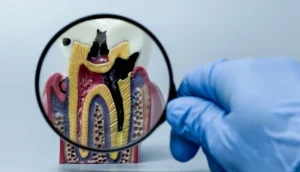
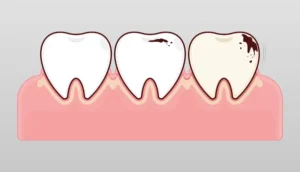
Severe tooth decay can damage the outer enamel, inner dentin, and nerve area of the tooth. When decay reaches deep inside the tooth, it may cause sharp pain, sensitivity, swelling, or infection.
During pregnancy, tooth decay can worsen because of morning sickness, diet changes, frequent snacking, or nausea that makes brushing difficult. If the tooth is too damaged to restore, tooth extraction in North York may be recommended to relieve pain and help prevent infection from spreading.
Dental Abscess or Infection
A dental abscess is a serious infection that forms around the tooth root or gum. It may cause swelling, severe toothache, pus, bad taste, fever, or pain when chewing.
This type of infection should not be ignored during pregnancy. Waiting too long can make the infection harder to treat. If the tooth cannot be saved, removing it may be necessary to protect your oral health.
Broken or Cracked Tooth
A broken tooth does not always need extraction. Small chips can often be repaired. But if the crack extends deep into the tooth root or below the gumline, the tooth may not be stable enough to save.
A cracked tooth can also allow bacteria to enter, leading to pain and infection. In this case, your dentist may recommend extraction after examining the tooth carefully.
Problematic Wisdom Tooth
Wisdom teeth can cause problems when they are impacted, infected, or difficult to clean. During pregnancy, gum inflammation can make wisdom tooth pain feel worse.
If the wisdom tooth is not infected and the pain is mild, the dentist may delay removal until after delivery. But if there is swelling, infection, or severe discomfort, wisdom tooth extraction may be needed during pregnancy.
Best Time for Tooth Extraction During Pregnancy
The best time for dental treatment depends on how urgent the problem is. If there is severe pain or infection, treatment should not be delayed only because of pregnancy.
First Trimester
The first trimester is an important stage of pregnancy, and many patients also experience nausea, tiredness, and sensitivity. For this reason, dentists may avoid non-urgent dental procedures during this time.
However, if there is serious pain, swelling, or infection, treatment may still be required. Emergency dental problems should be checked as soon as possible.
Second Trimester
The second trimester is often the most comfortable time for planned dental treatment. Nausea may be reduced, energy levels may improve, and lying in the dental chair is usually easier.
If tooth extraction during pregnancy is needed but not an immediate emergency, the dentist may prefer to do it during the second trimester.
Third Trimester
Dental treatment can still be done in the third trimester if necessary, but longer appointments may be uncomfortable. Lying flat for too long can also be difficult.
Your dentist may adjust the chair position, keep the visit shorter, and allow breaks during treatment. If the extraction is not urgent, it may be delayed until after the baby is born.
Are Dental X-Rays Safe During Pregnancy?
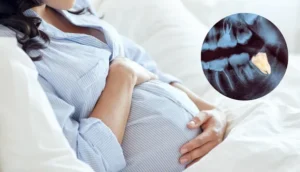
Sometimes a dental X-ray is needed before extraction. It helps the dentist see the tooth roots, bone level, infection, and position of nearby teeth.
Dental X-rays are only taken when they are necessary. Your dentist will avoid unnecessary imaging and use protective steps to keep the process as safe as possible. Without an X-ray, it may be difficult to plan the extraction properly, especially for wisdom teeth or infected teeth.
If you are pregnant, always tell your dentist before any X-ray is taken.
Is Local Anesthesia Safe for Pregnant Patients?
Local anesthesia is commonly used during tooth extraction to numb the tooth and surrounding gum. It helps control pain and makes the procedure more comfortable.
Your dentist will choose the right amount based on your condition. Pain control is important because severe dental pain can increase stress and make the experience harder for the patient.
Do not request or take any medication without professional advice. Your dentist will guide you on what is suitable during pregnancy.
Risks of Delaying Tooth Extraction During Pregnancy
Delaying treatment can sometimes create more problems than the extraction itself. A badly infected or painful tooth may affect your ability to eat, sleep, and stay comfortable.
Possible risks of delaying needed treatment include:
- Infection spreading to nearby gum or facial tissues
- Increased swelling and pain
- Difficulty chewing food properly
- Poor sleep due to toothache
- Need for more complex treatment later
If you have facial swelling, fever, pus, severe pain, or difficulty opening your mouth, you should contact a dentist quickly.
What to Tell Your Dentist Before Treatment
Before tooth extraction during pregnancy, give your dentist complete information about your health. This helps them plan treatment safely.
Tell your dentist:
- How many weeks pregnant you are
- If your pregnancy is high-risk
- Any medicines or prenatal vitamins you take
- Any allergies
- Any bleeding problems
- Any medical condition such as diabetes or blood pressure issues
- If you have swelling, fever, or severe pain
Do not hide pregnancy from your dental team. Proper information helps them protect your comfort and safety.
Tooth Extraction Aftercare During Pregnancy
After extraction, good aftercare is important for healing. Follow the instructions your dentist gives you, and do not take any medication unless it is approved for you.
Safe Pain Management
Some discomfort after extraction is normal. Your dentist may recommend pain relief that is suitable for your pregnancy stage and health condition.
Avoid self-medicating. Do not take leftover antibiotics, strong painkillers, or random over-the-counter medicine without asking your dentist or doctor.
Eating and Drinking After Extraction
Soft foods are usually best after extraction. You can choose foods that are easy to chew and do not irritate the healing area.
Drink enough water and avoid very hot foods or drinks right after treatment. Do not use a straw unless your dentist says it is okay, because suction can disturb the healing area.
Keeping the Extraction Area Clean
Keep your mouth clean, but be gentle around the extraction site. Brush your other teeth normally and avoid touching the healing area with your tongue or fingers.
Your dentist may advise gentle rinsing after the first day. If pain, swelling, or bleeding gets worse instead of better, contact your dental clinic.
Can Wisdom Teeth Be Removed During Pregnancy?
Yes, wisdom teeth can be removed during pregnancy if there is a strong reason, such as infection, swelling, severe pain, or repeated gum problems.
However, if the wisdom tooth is not causing serious symptoms, your dentist may recommend waiting until after delivery. Wisdom tooth removal can sometimes take longer than a simple extraction, so dentists usually avoid doing it during pregnancy unless it is necessary.
When Can Tooth Extraction Wait Until After Delivery?
Tooth extraction can often wait if the tooth is not painful, not infected, and not creating an urgent health risk.
Examples of cases that may wait include:
- Mild wisdom tooth discomfort without infection
- A damaged tooth that is stable and not painful
- Cosmetic or elective dental treatment
- A tooth planned for removal but not causing current problems
The decision should always be based on a dental exam. Do not guess on your own because some infections can look small but become serious quickly.
How to Prevent Dental Problems During Pregnancy
Good oral care can reduce the chance of needing tooth extraction during pregnancy. Brush twice daily with fluoride toothpaste, floss daily, and keep regular dental checkups.
If morning sickness causes vomiting, rinse your mouth with water afterward. Avoid brushing immediately after vomiting because acid can temporarily soften the enamel.
Try to limit frequent sugary snacks and drinks. If you notice bleeding gums, sensitivity, swelling, or tooth pain, book a dental visit early. Small problems are easier to treat than advanced decay or infection.

Should You Get a Tooth Extracted While Pregnant?
Tooth extraction during pregnancy can be safe when it is necessary and carefully planned. The safest decision depends on your symptoms, pregnancy stage, dental condition, and overall health.
If a tooth is infected, badly broken, or causing severe pain, delaying treatment may not be the best choice. A dentist can examine the tooth, explain your options, and recommend whether extraction, root canal treatment, or another solution is better.
Pregnancy should not stop you from getting urgent dental care. The goal is to protect your oral health while keeping treatment as safe and comfortable as possible.
FAQs About Tooth Extraction During Pregnancy
Can tooth extraction harm the baby?
When done with proper dental precautions, tooth extraction is not expected to harm the baby. The bigger concern is usually untreated infection or severe pain.
Which trimester is safest for tooth extraction?
The second trimester is often the most comfortable time for planned dental treatment. However, emergency extraction can be done in any trimester if the situation requires it.
Can I take antibiotics after tooth extraction while pregnant?
Only take antibiotics if your dentist or doctor prescribes them. Antibiotics are not needed after every extraction, and the type of medicine matters during pregnancy.
Is wisdom tooth extraction safe during pregnancy?
Wisdom tooth extraction can be done during pregnancy if there is infection, swelling, or severe pain. If it is not urgent, your dentist may delay it until after delivery.
Should I avoid dental treatment while pregnant?
No. Avoiding needed dental care is not a good idea. Regular checkups, cleanings, fillings, emergency care, and necessary extractions can help protect your oral health during pregnancy.