Dr Reddy was so kind and understood my problem well. Clinic was clean and the staff was very friendly.
Urgent Dental Care on Jane St
A dental emergency in North York is a tooth or mouth problem that cannot wait for a routine visit. This page gives first steps for each kind from the Ontario Dental Association (ODA) and other health sources.
Key points:
- A knocked-out adult tooth needs a dentist right away. Never put a knocked-out baby tooth back in.
- A toothache, a broken tooth or a swollen face in North York needs a call to the clinic today.
- Ask a pharmacist or doctor which pain reliever is safe for you. Never put a pill on the tooth or gum.
- Danger signs such as trouble breathing mean 911. The full list is below.
What Counts as a Dental Emergency?
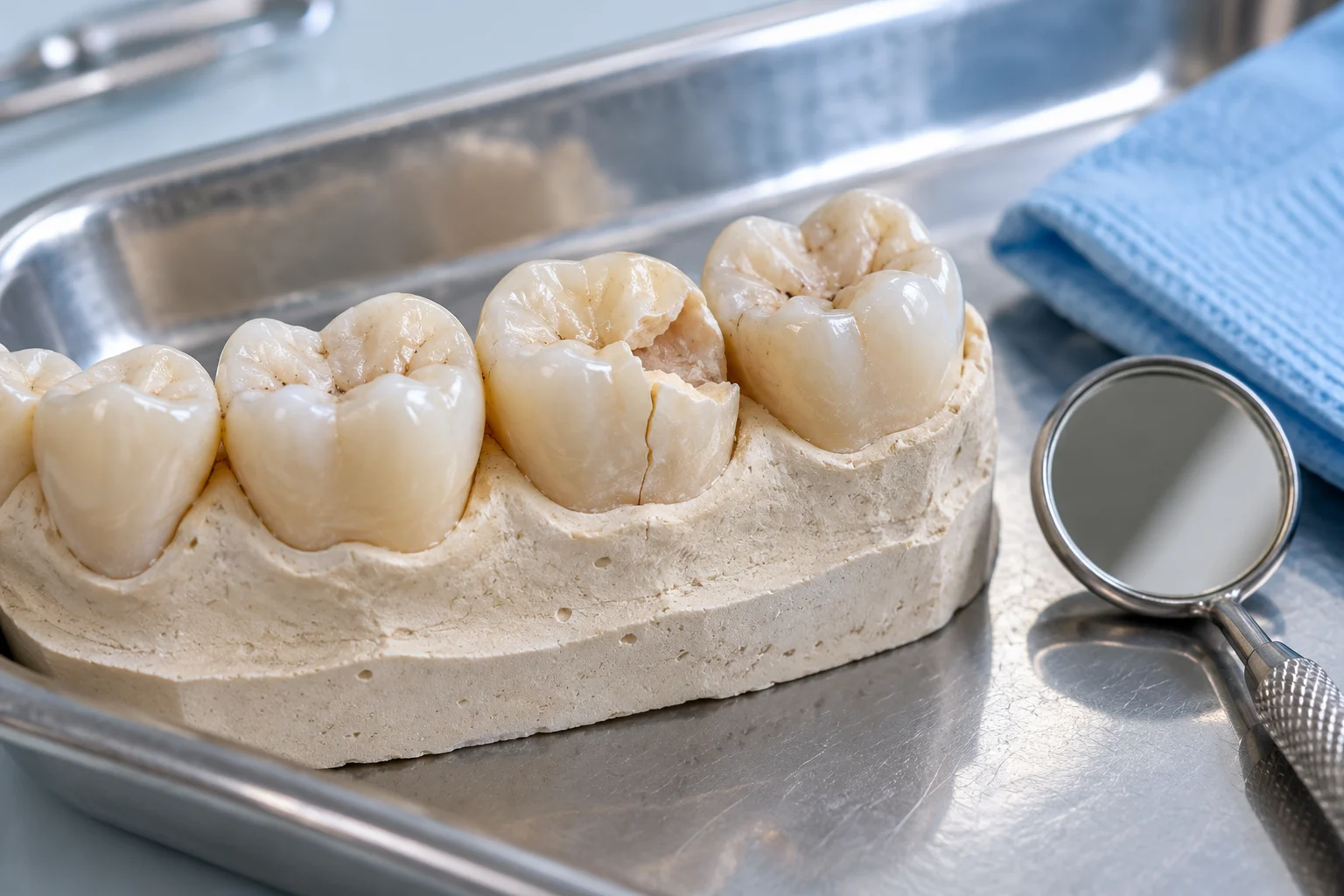
A dental emergency is a problem that needs prompt care to stop pain, bleeding or infection, or to save a tooth. These are the common ones:
- Severe tooth pain
- Swelling of the face or gums
- A knocked-out, loose or pushed-out tooth
- A broken or cracked tooth
- Bleeding that will not stop
Why Does Fast Action Matter?
Fast action matters because the chance of saving a knocked-out tooth drops with every minute. Infection does not wait either, and the NHS says a dental abscess will not go away on its own.
What Can Emergency Dental Care Do?
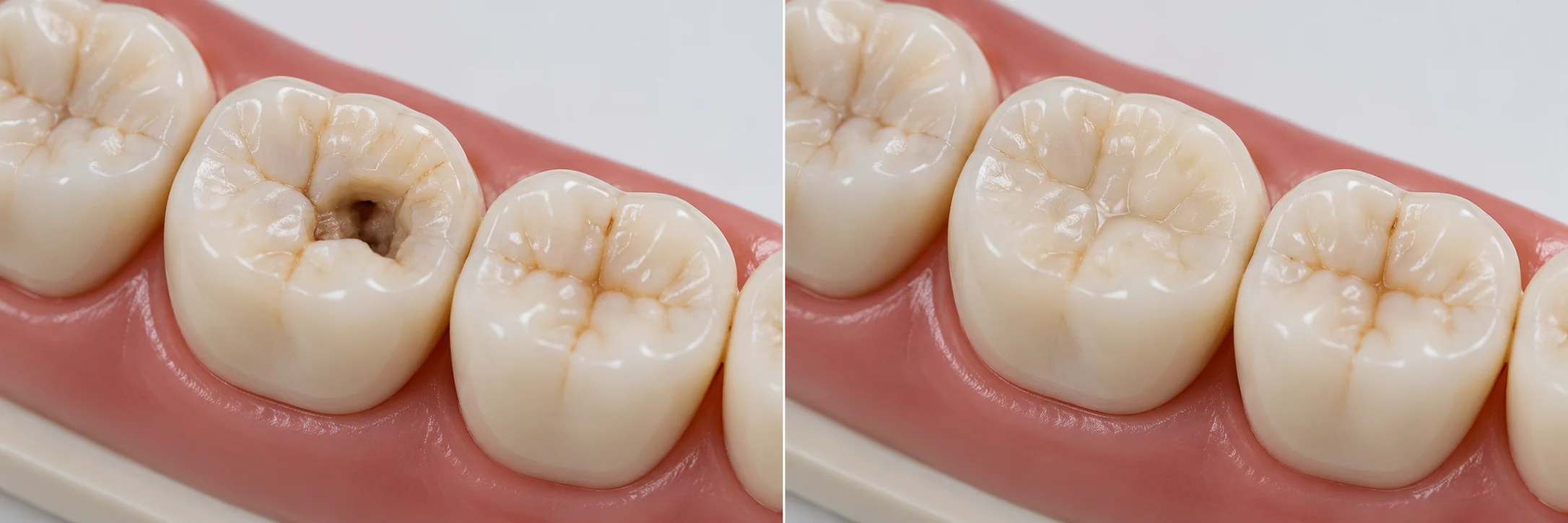
Emergency dental care aims to relieve pain, control infection and protect a damaged tooth. A visit can:
- Ease pain from a toothache or an injury
- Treat an abscess before the infection spreads
- Cover a tooth left open by a lost filling or crown
What happens at an emergency dental visit?
An emergency dental visit at Jane Clair Dental starts with an exam, a review of your symptoms and any imaging needed to find the cause. Some problems need treatment right away to save a tooth or stop an infection. Others need pain relief and a stable tooth first, and the full repair comes later.
The dentist explains your options and their risks before starting. Next steps can include a filling or a dental crown. Some teeth need root canal therapy or an extraction.
Your own cost comes in a written estimate after an exam. Direct billing is available, and you can ask about financing options.
CDCP patients are welcome. Read how CDCP works at our clinic. We will confirm any out-of-pocket cost with you before treatment starts.
Which urgent problems does the clinic assess?
The clinic assesses these problems:
- Severe pain and swelling from an abscess or infection
- Cracked, broken or knocked-out teeth and lost crowns or fillings
- Tooth injuries from accidents or sports
Which Signs Need 911, and Which Can Wait?
Call 911 or go to the nearest hospital emergency department if you have trouble breathing or swallowing, swelling that spreads toward your eye or neck, fever with facial swelling, or bleeding that will not stop.
If a blow to the head or face knocked the person out, caused a seizure or left them hard to wake, call 911 and do not move them.
The Government of Canada lists other concussion signs that need help right away:
- Neck pain or double vision
- Vomiting again and again
- A severe or worsening headache
- Weak or tingling arms or legs
See a doctor today for any other sign of concussion.
| What is happening | What to do |
|---|---|
| A danger sign above, bleeding that will not stop with pressure or a possible broken jaw | Call 911 or go to a hospital |
| A knocked-out adult tooth or a tooth pushed out of place | Call the clinic right away. If it is closed, go to another emergency dental provider or a hospital |
| Severe toothache, swelling or a painful broken tooth | Call the clinic today |
| A lost filling or crown, a poking braces wire or something stuck | Book a visit soon |
| A small chip that does not hurt | Call to book an assessment. It does not need a hospital |
Dental Emergency North York: First Steps for Each Problem
These first steps come from the ODA, the NHS and the other sources named. They do not replace care.
Toothache
The American Dental Association suggests rinsing with warm water and flossing gently to clear food from around an aching tooth. The NHS adds a warm salt water rinse for adults. Children should skip it in case they swallow it.
Ask a pharmacist or doctor which pain reliever is safe for you. Never put a pill on the sore tooth or gum. Keep heat away from your jaw because the ODA says heat makes it worse.
Knocked-out tooth
A knocked-out adult tooth needs a dentist right away.
- Hold the tooth by the crown, the white part. Do not touch the root.
- If it is dirty, rinse it gently in cool water without scrubbing.
- If the person is alert and the tooth slides in easily, put it back in the socket. Hold it there with clean gauze.
- If it will not go in or could be swallowed, put it in cold milk.
- Call (416) 742-3636, or walk in during opening hours. If the clinic is closed or cannot see you right away, go to another emergency dental provider or a hospital.
Never put a knocked-out baby tooth back in. The ODA says it can damage the adult tooth growing underneath. Press clean gauze on any bleeding and call the clinic.
Not sure if it is a baby tooth? Keep it in milk and do not put it back.
Loose or pushed-out tooth
A tooth loosened or pushed out of place by a blow is a serious problem, the ODA says. Do not wiggle it or force it back, and call the clinic right away.
Chipped or broken tooth
Rinse your mouth with water after you chip or break a tooth, then hold a cold compress on your cheek. Bring the broken piece in cold milk. Call right away if the tooth bleeds or hurts.
Broken tooth repair depends on the break. The NHS lists gluing the piece back on, a filling or a crown, and root canal treatment when the nerve is exposed. Dental bonding can repair a small chip.
Lost filling or crown
Chew on the other side and call to book a visit. If a crown comes off, keep it safe in a clean container for your visit.
Swelling or abscess
Hold a cold compress on the outside of your cheek for swelling of the gum or face. Never put heat on it.
The NHS says a dental abscess needs urgent treatment by a dentist, so call the clinic today. Treatment starts with draining the pus. If a tooth caused the abscess, the next step is root canal therapy or removing the tooth.
Bleeding after an extraction
Bleeding after an extraction calls for firm pressure on clean gauze folded over the socket. The NHS says to press for at least 10 minutes. Do not rinse, spit hard or have hot drinks.
Call the clinic if the bleeding does not slow, and go to a hospital if it will not stop. Call sooner if you take a blood thinner, and do not stop it on your own. The tooth extraction page has the full aftercare list.
Broken braces wire
NHS hospital advice for braces says to push a poking wire flat against the tooth with a cotton bud or pencil eraser. If it will not move, cover the end with orthodontic relief wax. Then call the dentist who manages your braces.
If a loose piece makes you cough hard or struggle to breathe, go to a hospital emergency department.
Something stuck between teeth
Use dental floss to gently remove something stuck between your teeth. Never poke at it with a pin or a sharp object, which the ODA warns can cut your gums. If floss will not free it, see a dentist.
Jaw injury
A jaw you think is broken or dislocated needs a hospital emergency department right away, says MedlinePlus (US National Library of Medicine). Signs include teeth that do not line up and a mouth that will not close.
Call 911 for trouble breathing or heavy bleeding. Hold the jaw gently in place with your hands on the way and never push it back yourself.
How Can You Prevent Dental Emergencies?
The ODA and the American Dental Association recommend these habits to prevent dental emergencies:
- Wear a custom sports mouthguard for sports.
- Do not chew ice, popcorn kernels or hard candy.
- Use scissors to open packages, never your teeth.
- Treat small problems early.
See emergency dentist care at Jane Clair Dental for urgent dental care in North York.
Dental Emergency FAQs
Patient feedback
What Our Patients Are Saying
We’re proud of the relationships we build with our patients. Read feedback from individuals and families who have trusted us with their dental care.
Really happy I came here! They accept the CDCP, which made my visit affordable and stress-free. Great service and friendly team!
FadendasPatient feedback
Hugh describes a long relationship with the clinic, having attended for nine years at the time of his review.
Merna shares that she enjoys attending dental visits with the rest of her family.
Frank recommends the clinic and describes the dentist and staff as friendly and knowledgeable, which helped him enjoy his dental visits.