Dr Reddy was so kind and understood my problem well. Clinic was clean and the staff was very friendly.
How does Invisalign improve teeth alignment?
Invisalign improves teeth alignment with a series of clear removable trays that move your teeth a small step at a time. Jane Clair Dental provides Invisalign in North York at #101, 2698 Jane St. Your first visit starts with an exam and digital X-rays.
You find out whether aligners suit your teeth before you commit to anything. If braces will do the job better, you hear that as well.
Key takeaways:
- Invisalign is a brand of clear aligner, and each custom tray moves your teeth a little before you switch to the next one.
- Invisalign treats many cases of crowding, gaps and certain bite problems. Some tooth movements respond better to braces.
- Aligners only work when you wear them, and Cleveland Clinic advises 22 to 23 hours a day.
- Treatment runs from under a year for a few crooked teeth to two years or more for complex cases.
- The main risks are soreness with each new tray, gum problems, root shortening and teeth drifting back without a retainer.
- Two dentists at the clinic list Invisalign in their bios: Dr. Chaitanya Reddy and Dr. Soham Brahmbhatt.
- This page does not list a price. Your own cost comes in a written estimate after an exam.
What Is Invisalign?
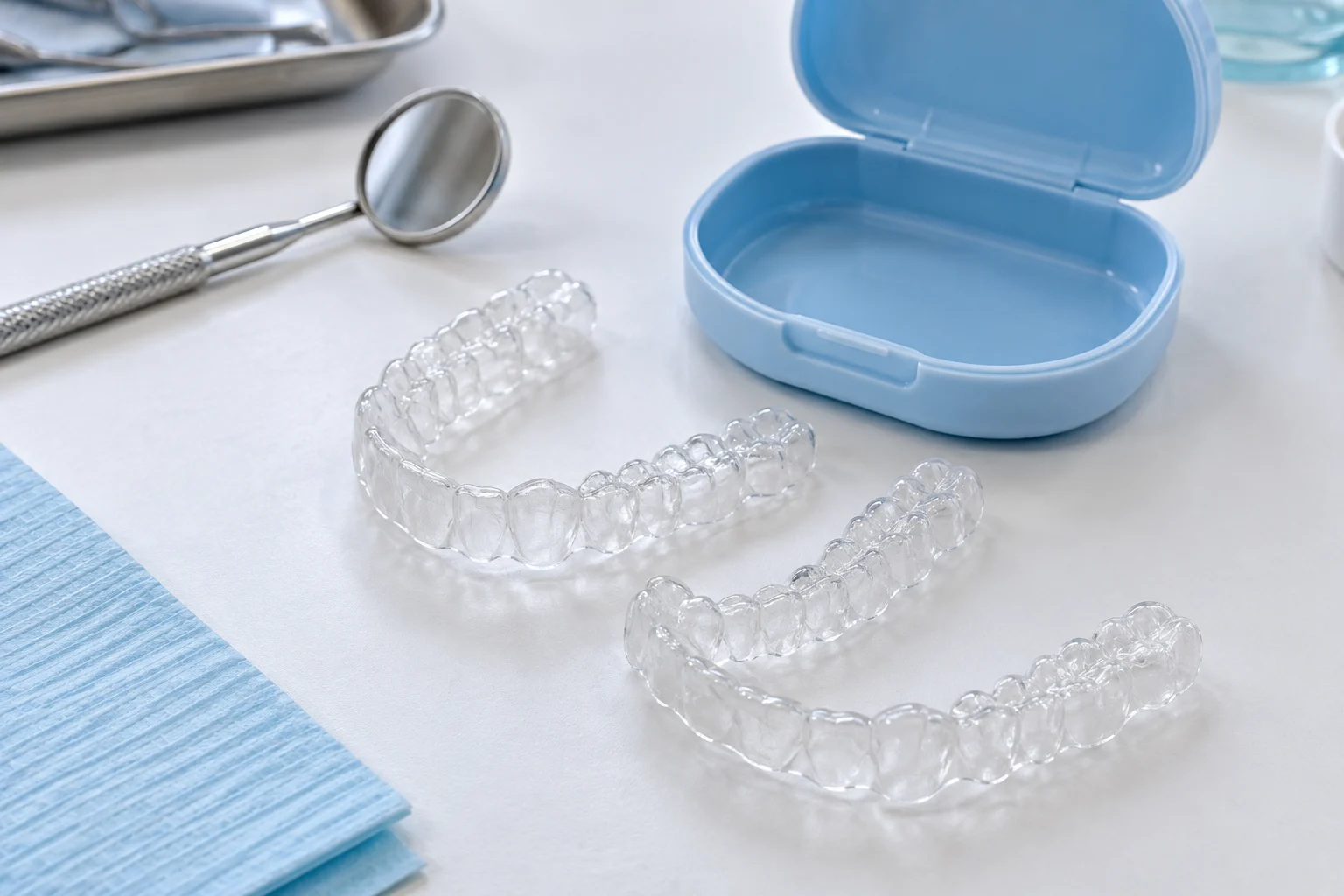
Invisalign is a clear aligner system that uses a series of custom-made plastic trays to move teeth into better alignment. People call it invisible orthodontic treatment because the trays are thin and clear and hard to spot at a normal talking distance.
Invisalign is one brand of clear aligners, and other brands work the same way. You will also hear the trays called invisible braces.
- Clear trays made to fit your teeth
- No brackets or wires
- Worn day and night and taken out only for meals and cleaning
- Small tooth-coloured bumps called attachments that help some trays grip
- A retainer at the end to hold the result
Can Invisalign straighten your smile?
Invisalign can straighten your smile when the problem is crowded teeth, gaps between teeth or certain bite problems. The exam confirms it. The dentist looks at your teeth, your bite and your gums before recommending any form of teeth straightening.
Who is Invisalign not right for?
Invisalign is the wrong choice if you will not wear the trays most of the day. Cleveland Clinic puts it plainly when it says aligners only work if you wear them as directed. A tray in a drawer moves nothing.
Decay and gum disease come first, so any cavity or gum problem is treated before the first tray. Cleveland Clinic warns that placing braces on diseased teeth can seriously harm your oral health. Some bites also need the fixed control of braces, which the FAQ below explains.
What are the benefits of Invisalign?
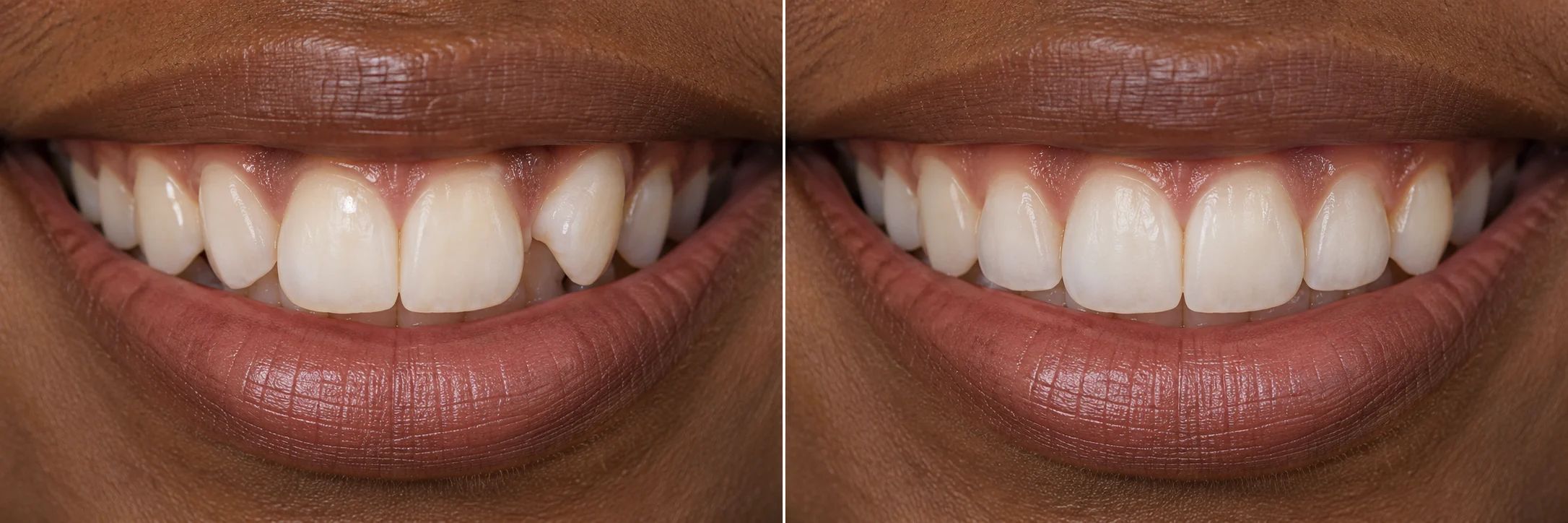
The main benefits of Invisalign are a discreet look and trays you can take out.
- Clear trays draw less attention than brackets at work, at school or in photos.
- You take the trays out to eat, so no food is off limits.
- You brush and floss the usual way with the trays out.
- There are no brackets or wires to rub the inside of your cheeks.
- Adults and teens who will wear the trays as directed can both use them.
How does Invisalign compare with braces?
| Invisalign aligners | Braces (metal or clear) | |
|---|---|---|
| How it looks | Clear plastic trays, with small tooth-coloured bumps on some teeth | Brackets bonded to the teeth |
| Removable | Yes, at meals and for cleaning | No, fixed until treatment ends |
| Eating | Trays out, then eat anything | Hard and sticky foods are off limits |
| Brushing and flossing | Normal, with trays out | Takes longer around brackets and wires |
| What it asks of you | 22 hours or more of wear every day | Keeping your appointments |
| When it is wrong for you | You will not wear the trays most of the day, or your bite needs fixed control | You want an appliance you can take out yourself |
Braces suit some cases better than aligners do. Compare clear braces and metal braces before you decide.
What are the risks of Invisalign?
The main risks of Invisalign are sore teeth, gum problems, root shortening and teeth moving back after treatment. Know them before you start.
- Soreness and pressure in the first few days of each new tray, which Cleveland Clinic says eases within a few days.
- Gum overgrowth, because Cleveland Clinic lists braces and Invisalign as raising the risk of gingival hyperplasia.
- Tooth decay if food or sugary drinks sit under the trays. Brush before every tray goes back in.
- Root shortening, called root resorption. A 2019 review found it less frequent and less severe with aligners than with fixed braces, but it is still a risk.
- Enamel polishing. Some plans remove a thin layer of enamel between teeth to make room, and Cleveland Clinic notes this is permanent and can leave teeth sensitive for a few days.
- Relapse, where teeth drift back toward their old positions without a retainer.
Call (416) 742-3636 if a tray cracks or cuts your gum or stops fitting, or if pain lasts more than a few days. Call 911 or go to the nearest hospital emergency department if you have trouble breathing or swallowing, swelling that spreads toward your eye or neck, fever with facial swelling, or bleeding that will not stop.
What happens during Invisalign treatment on Jane Street?
Invisalign treatment at Jane Clair Dental starts with an assessment and a plan, then moves through a series of trays with regular progress checks. The clinic on Jane Street also offers clear aligners, clear braces and metal braces. That lets you weigh more than one kind of orthodontics in one place.
How do you wear Invisalign around your routine?
Wear your Invisalign trays day and night and take them out only to eat, to drink anything other than plain water, and to brush and floss. Cleveland Clinic advises 22 to 23 hours a day. You move to a new tray about every two weeks or on the schedule your dentist sets.
You can take the trays out for a sport or an instrument because what counts is the daily total. Keep the case with you so a tray never ends up wrapped in a napkin.
What does Invisalign treatment include?
Invisalign treatment includes an exam, a plan, the series of trays and a retainer at the end. Here is the order.
- An exam and digital X-rays to check your teeth, gums and bite.
- A plan for how each tooth should move, and trays made to that plan.
- Small attachments on some teeth if your plan needs them.
- Progress checks and tray changes at regular visits.
- A retainer once your teeth reach the planned position.
How long does Invisalign take?
Invisalign takes from under a year to two years or more, depending on how far your teeth need to move. Cleveland Clinic says a few slightly crooked teeth can need up to nine months of aligners. Bigger bite problems take longer.
Wear time changes the timeline too, because wearing the trays less than directed slows your progress. You get your own timeline as a range after the exam.
Can teenagers get Invisalign in North York?
Teenagers can get Invisalign in North York once the dentist confirms their teeth and bite suit aligners. The trays come out for sports, music and meals, and your teen can smile in photos without brackets.
The hard part for a teen is wear time, so agree at home on who checks that the trays are in. If your teen will not wear them most of the day, braces are the more reliable choice. The dentist talks this through with both of you.
Does dental insurance cover Invisalign?
Dental insurance covers Invisalign only when your plan includes orthodontic benefits, and each plan sets its own limit. Ask your insurer for a predetermination before treatment starts so you have an estimate of what your plan pays.
Direct billing is available at the clinic, and you can ask about financing options. The Canadian Dental Care Plan lists orthodontic services as not currently available. CDCP patients are welcome for other care, and the CDCP page explains what the plan covers.
Which dentists provide Invisalign treatment in North York?
Two dentists at Jane Clair Dental list Invisalign in their bios. Ask when you book which dentist will plan your treatment.
Dr. Chaitanya Reddy has "certification as an Invisalign provider" and speaks English, Hindi and Telugu.
Dr. Soham Brahmbhatt is "experienced in Invisalign" and speaks English and Hindi.
Invisalign FAQs
Patient feedback
What Our Patients Are Saying
We’re proud of the relationships we build with our patients. Read feedback from individuals and families who have trusted us with their dental care.
Really happy I came here! They accept the CDCP, which made my visit affordable and stress-free. Great service and friendly team!
FadendasPatient feedback
Hugh describes a long relationship with the clinic, having attended for nine years at the time of his review.
Merna shares that she enjoys attending dental visits with the rest of her family.
Frank recommends the clinic and describes the dentist and staff as friendly and knowledgeable, which helped him enjoy his dental visits.